
THE PIPELINE LIFE GUIDE
Pipeline Welder: Life, Work & Welding on the ROW
A career as a pipeline welder takes skill, patience, preparation and a willingness to go wherever the work leads. Here is a straight look at the jobs, welding rigs, gear, equipment and everyday reality of making a living on the right-of-way.
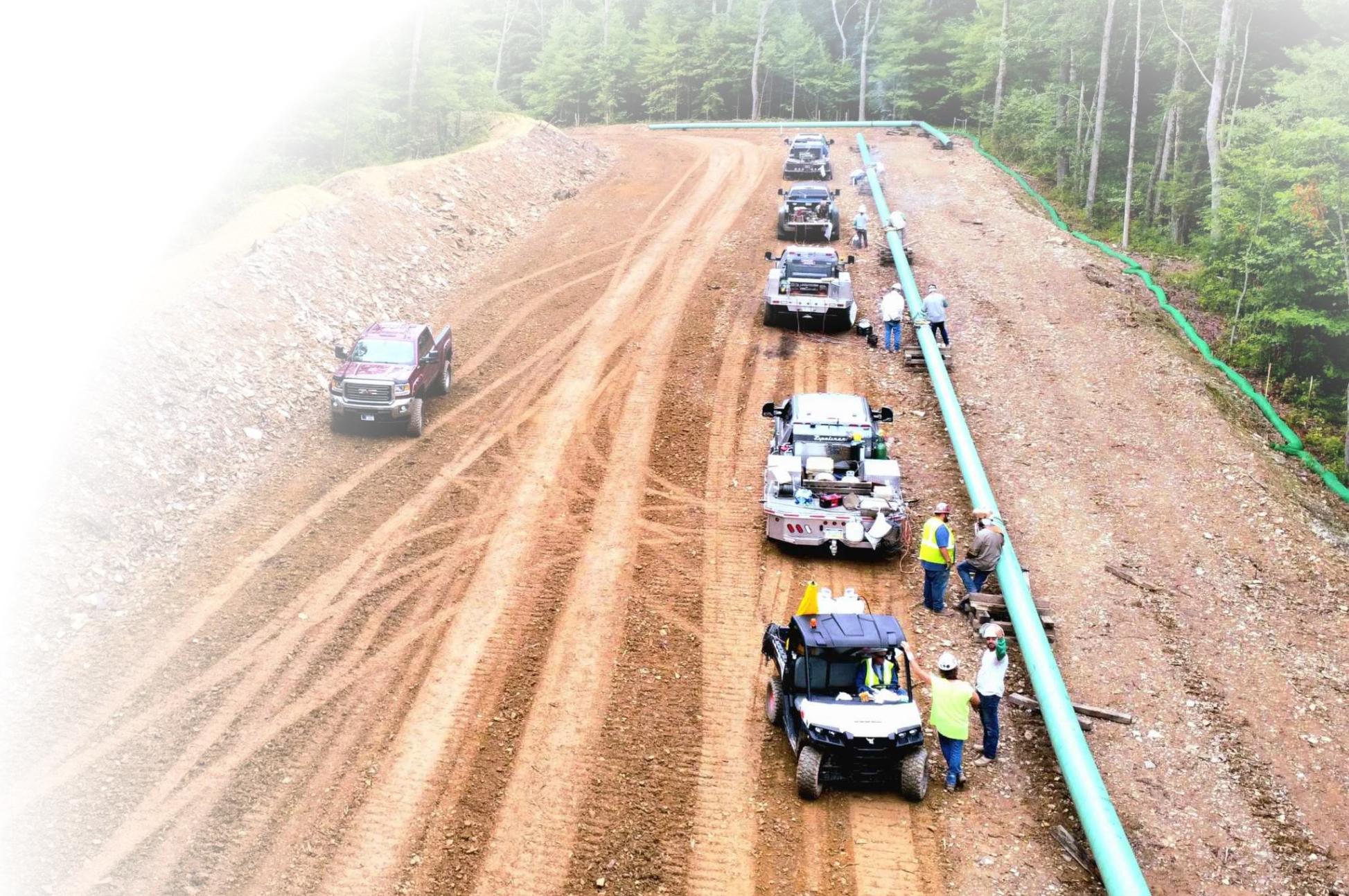
Real welders. Real rigs. Real pipeline life. No stock-photo hand holding the wrong end of a stinger.
Inside This Pipeline Welder Guide
Jump to what you need—or start at the top and ride the whole spread.
THE JOB
What Does a Pipeline Welder Do?
A pipeline welder joins sections of pipe used to move oil, natural gas, water and other products. The work may happen on a new construction spread, an integrity project, a station, a facility or a repair job.
The arc is only one part of the job. A welder must understand the approved welding procedure, prepare for changing field conditions, maintain equipment, work with a helper and consistently produce welds that meet the project’s inspection requirements.
Some days everything lines up. Other days the wind is blowing, the mud is trying to swallow your boots and the right-of-way has decided humility belongs on the schedule.
Common Responsibilities
- Passing a project-specific weld test
- Reviewing and following the approved welding procedure
- Setting up and maintaining welding equipment
- Working with a helper to prepare each joint
- Making consistent root, hot, fill and cap passes
- Responding to changing weather and field conditions
- Meeting safety and inspection requirements
- Repairing welds when authorized and required
Pipeline Welder vs. Helper vs. Welder Helper
The titles sound similar, but the responsibilities are not interchangeable.
Pipeline Welder
The qualified tradesperson responsible for making welds to the approved procedure. The welder normally must pass the project’s required test before welding production pipe.
Welder Helper
Works directly with a welder. Duties may include handling leads, preparing tools, grinding when permitted, managing consumables, moving wind screens and helping keep the welding rig organized.
General Helper
Supports the crew wherever needed. The exact work varies by contractor and project and may include material handling, cleanup, spotting, setup and other entry-level ROW duties.
Job titles and permitted duties vary by contractor, union agreement, project and location.
What Pipeline Welders Wear
Pipeline welding clothing must match the hazards, employer rules and project requirements. The goal is protection and function—not seeing how many sparks a shirt can eat before lunch.
- Required flame-resistant clothing
- Work boots appropriate for the terrain and job
- Safety glasses and required eye protection
- Welding hood or pancake hood
- Welding gloves and sleeves
- Hearing protection
- High-visibility clothing when required
- Weather gear for heat, cold, wind, rain and mud
Pipeline Welding Equipment
The exact equipment depends on the contractor, job and welding procedure. A field setup commonly includes:
- Engine-driven welding machine
- Welding leads, ground clamp and electrode holder
- Grinders and approved abrasive wheels
- Rod storage and temperature-control equipment
- Hand tools and measuring tools
- Wind screens and weather protection
- Fire extinguisher and required safety equipment
- Spare parts, cables and basic repair supplies
THE RIG
Pipeline Welding Rigs
A pipeline welding rig is more than a truck carrying a welding machine. It is a mobile workspace built to move tools, leads, consumables, fuel, safety equipment and everything else needed to keep the welder productive in the field.
Some rigs are clean and simple. Others look like somebody handed a fabricator a blank check and poor supervision. Either way, a good rig should be dependable, organized and set up for the work it is expected to perform.
What Makes a Good Rig?
- Reliable truck and welding machine
- Safe weight distribution
- Secure tool and bottle storage
- Organized leads and consumables
- Accessible fire and safety equipment
- Lighting for early starts and late finishes
- A setup the owner can maintain in the field
Why Pipeline Welders Use Pancake Hoods
The pancake hood is closely associated with pipeline welding because its side shield helps block outside light and glare around the lens. That can make the puddle easier to see in bright outdoor conditions.
Common Benefits
- Blocks distracting side light
- Lightweight, low-profile design
- Can be fitted for left- or right-handed use
- Popular for outdoor field welding
Before Buying
- Choose the correct handed configuration
- Confirm lens size and shade compatibility
- Check employer and project requirements
- Buy from a reputable manufacturer
Pipeline Welding Rods & Processes
Shielded metal arc welding—often called stick welding—is widely associated with field pipeline work. Depending on the project and approved welding procedure, welders may use cellulosic electrodes such as E6010 for certain passes and higher-strength electrodes for fill and cap passes.
Some pipeline, facility and fabrication work may use wire processes, low-hydrogen electrodes or mechanized welding systems. Weld direction, electrode classification, polarity, amperage and pass sequence are determined by the qualified procedure—not by what worked on somebody’s fence last Saturday.
Root Pass
Establishes penetration and the inside profile of the weld joint.
Hot Pass
Follows the root and helps establish sound weld metal before filling the joint.
Fill & Cap
Fills the remaining joint and completes the required outside weld profile.
Important: Always follow the project’s approved welding procedure, safety program, manufacturer instructions and supervision. This page is an industry overview, not a substitute for hands-on training or project-specific direction.
How to Become a Pipeline Welder
There is no single road into pipeline welding, but every route requires training, practice, jobsite awareness and the ability to pass the weld test.
1. Learn the Fundamentals
Learn welding safety, machine setup, joint preparation, electrode control and how to read and follow welding procedures.
2. Get Hands-On Training
Training may come through a welding school, apprenticeship, union program, employer or experienced mentor. A certificate alone does not replace hood time.
3. Build Field Experience
Many welders first gain experience in fabrication, structural work, facilities, distribution work or as a welder helper.
4. Practice the Required Test
Tests vary. Practice the position, process, pipe size, wall thickness and procedure used by the contractor or project whenever that information is available.
5. Prepare to Travel
Pipeline work follows projects. Reliable transportation, work-ready gear, current credentials and the ability to mobilize can matter as much as a polished résumé.
6. Protect Your Reputation
Show up ready, work safely, take care of your equipment and be somebody the crew wants beside them when the day gets long.
Finding Pipeline Welder Jobs
Pipeline jobs can move fast. Leads may come through contractor career pages, union halls, training programs, industry job boards, crew contacts and verified company announcements.
Keep a simple résumé ready with your welding processes, project experience, certifications, travel history and contact information. Verify every opportunity directly with the contractor before sending documents or traveling.
The Pipeline Life is a media brand—not a pipeline contractor or hiring company. Never pay a social-media “recruiter” claiming they can hire you through us.
Life on the ROW
Pipeline welder life can mean long days, early starts, changing projects and months away from home. Welders may move between campgrounds, hotels and short-term rentals while following work across multiple states.
The job can offer pride, strong relationships and the satisfaction of seeing a project take shape. It also asks plenty from the welder and the family waiting back home. Weather delays, layoffs, testing, breakdowns and uncertain schedules are part of the reality.
Pipeline life is not just a job title. It is the rigs, the miles, the tests, the crew, the family back home and the stories collected between one right-of-way and the next.
How Much Do Pipeline Welders Make?
Pipeline welder pay varies substantially. Total compensation may depend on the contractor, project, location, union agreement, experience, weld test, hours, overtime, truck pay, per diem and whether the welder supplies a rig.
When comparing opportunities, look at the complete package and expected schedule—not just one hourly number pulled from the internet.
Pipeline Welder Photos & Videos
The Pipeline Life shares real pipeline welding, rig and right-of-way content submitted by the crews living it.
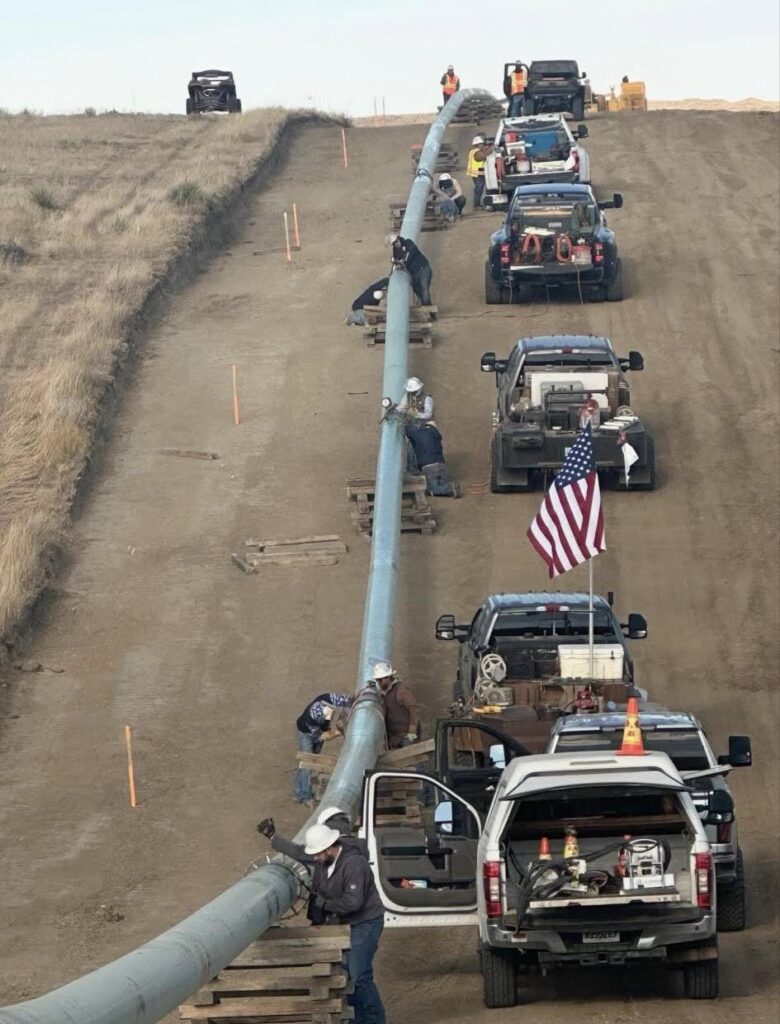
Watch the Crews
See welding clips, rig walkarounds, equipment videos and everyday moments from the ROW.
Send Us Your Content
Send your welding clips, rig photos and jobsite moments through Snapchat, Facebook Messenger or The Pipeline Life Crew Group.
If you want tagged, include your handle and clearly say “TAG ME.” Otherwise, you may not be tagged.
Pipeline Welder FAQs
What is a pipeline welder?
A pipeline welder is a skilled tradesperson who joins sections of pipe according to an approved welding procedure and the project’s inspection and safety requirements.
Do pipeline welders have to travel?
Many do. Pipeline construction and integrity work follows active projects, so welders may travel between regions and spend extended periods away from home.
What kind of welding is used on pipelines?
Field pipeline work commonly uses shielded metal arc welding, but the required process depends on the qualified procedure. Some work uses wire processes, low-hydrogen electrodes or mechanized welding systems.
What welding rods do pipeline welders use?
The electrode depends on the approved welding procedure and pipe requirements. Cellulosic electrodes such as E6010 and higher-strength fill and cap electrodes are associated with some pipeline work, but welders must use exactly what the procedure specifies.
Why do pipeline welders use pancake hoods?
A pancake hood uses a side shield to reduce outside light and glare around the lens. This can improve visibility when welding outdoors in bright conditions.
Do pipeline welders need their own welding rig?
Not every position requires an owner-operated rig. Requirements vary by contractor, project and type of work. Confirm the equipment and rig-pay terms before accepting a position.
How do I get my first pipeline welding job?
Build strong welding fundamentals, gain hands-on experience, learn the test requirements, keep your credentials and résumé ready, and follow verified contractor, union and industry job sources.
Built by the Brotherhood. Living the Pipeline Life.
Shop pipeline gear, find job resources, watch real crew content and join us at a Pipeliners Tour stop.